

Deep Bite – Causes, Symptoms, and Treatment Options
Posted on July 9, 2026
When most people think about orthodontic problems, they picture crooked teeth or gaps between teeth. However, bite alignment is just as important to your oral health and overall comfort. One of the most common bite issues orthodontists treat is a deep bite.
A deep bite can affect how your teeth function, how your smile looks, and even how comfortable your jaw feels throughout the day. Left untreated, it can lead to tooth wear, gum damage, and other long-term concerns.
At Parker Orthodontics, we help patients throughout Baton Rouge, Central, Gonzales, and Donaldsonville achieve healthier, more balanced smiles through customized orthodontic treatment.
Understanding what a deep bite is and how it can be corrected is the first step toward protecting your oral health.
What Is a Deep Bite?
A deep bite occurs when the upper front teeth excessively overlap the lower front teeth when the mouth is closed. While a slight overlap is normal, deep bites involve a much greater vertical overlap than what is considered healthy.
In some cases, the upper teeth may cover nearly all of the lower teeth. More severe deep bites can even cause the lower teeth to contact the roof of the mouth or the gum tissue behind the upper front teeth.
Many people confuse a deep bite with an overbite. While they are related, they are not exactly the same.
Every deep bite is a type of overbite, but not every overbite is considered a deep bite. The difference lies in the severity of the overlap. A deep bite represents a more significant alignment issue that often requires orthodontic treatment to prevent future complications.
Common Signs of a Deep Bite
Some patients notice symptoms early, while others may not realize they have a deep bite until an orthodontic examination reveals the problem.
Common signs include:
- Upper front teeth covering most or all of the lower front teeth
- Lower teeth touching the roof of the mouth
- Gum irritation behind the upper teeth
- Worn or flattened front teeth
- Tooth sensitivity
- Difficulty chewing certain foods
- Jaw soreness or tightness
- Frequent headaches
- Increased tooth wear
Because symptoms can vary from person to person, a professional evaluation is often the best way to determine whether a deep bite is present.
What Causes a Deep Bite?
Several factors can contribute to the development of a deep bite. In many cases, more than one factor is involved.
Genetics
Genetics play a significant role in the development of bite problems. The size and shape of your jaws, as well as the positioning of your teeth, are often inherited traits.
If one or both parents have a deep bite or other orthodontic concerns, their children may be more likely to develop similar issues.
Jaw Development
As children grow, the upper and lower jaws should develop in harmony. When one jaw grows differently than the other, bite alignment problems can occur.
An upper jaw that is larger than the lower jaw may contribute to excessive overlap of the front teeth.
Oral Habits
Certain childhood habits can affect the way teeth and jaws develop.
Examples include:
- Thumb sucking
- Prolonged pacifier use
- Tongue thrusting
- Extended bottle feeding
These habits can influence tooth positioning and jaw growth over time.
Teeth Grinding and Clenching
Grinding or clenching the teeth can worsen an existing deep bite. The constant pressure may increase tooth wear and further affect how the teeth come together.
Missing or Shifting Teeth
When teeth are missing or shift out of position, the bite can change. Gaps and movement within the dental arch can contribute to deep bite development or make an existing problem more severe.
Problems Caused by a Deep Bite
Many patients are surprised to learn how many oral health concerns can stem from a deep bite.
Excessive Tooth Wear
One of the most common complications is premature tooth wear. Because the front teeth experience increased pressure, the enamel may gradually wear away.
As enamel becomes thinner, teeth may become more sensitive and vulnerable to damage.
Gum Damage
A severe deep bite can cause the lower teeth to contact gum tissue behind the upper front teeth. This repeated contact can irritate the gums and may eventually contribute to gum recession.
Healthy gums are essential for maintaining strong teeth and supporting structures.
Difficulty Eating
When teeth do not align correctly, chewing can become less efficient. Some patients find certain foods difficult to bite or chew comfortably.
This can affect overall function and daily comfort.
Jaw Discomfort
A deep bite can place extra strain on the jaw muscles and joints. Over time, this may contribute to jaw soreness, facial discomfort, or tension headaches.
Increased Risk of Dental Problems
Because excessive tooth wear and gum damage often accompany a deep bite, patients may face an increased risk of future dental concerns if treatment is delayed.
Can a Deep Bite Correct Itself?
In most cases, a deep bite will not improve on its own.
As children grow, some minor bite issues may change naturally. However, a true deep bite typically requires orthodontic treatment to correct the underlying alignment problem.
Waiting too long can allow additional damage to occur, making treatment more complex later. Early evaluation allows orthodontists to monitor development and determine the most appropriate time for treatment.
How Is a Deep Bite Diagnosed?
Diagnosing a deep bite involves a comprehensive orthodontic evaluation.
At Parker Orthodontics, Dr. Parker performs a detailed examination that may include:
- Evaluation of tooth alignment
- Bite analysis
- Digital imaging
- Review of jaw relationships
- Discussion of symptoms and concerns
These tools help determine the severity of the deep bite and identify the factors contributing to the problem.
A personalized treatment plan can then be developed based on the patient’s unique needs.
Deep Bite Treatment Options
The good news is that modern orthodontics offers several effective ways to correct deep bites.
Treatment recommendations vary depending on age, severity, and overall oral health.
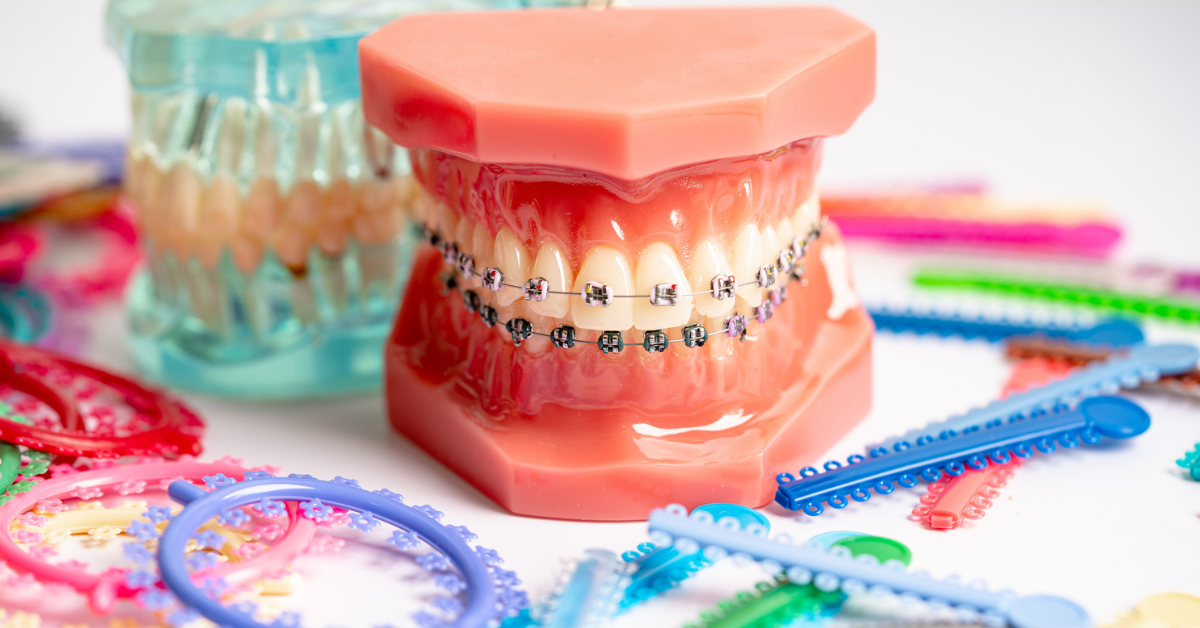
Traditional Metal Braces
Metal braces remain one of the most effective methods for correcting deep bites.
Today’s braces are smaller, more comfortable, and more efficient than previous generations. Braces gradually move teeth into healthier positions while improving bite alignment.
For children, teens, and many adults, braces can provide predictable and highly successful results.
Clear Ceramic Braces
Clear ceramic braces function similarly to traditional metal braces but use tooth-colored materials that blend more naturally with the smile.
Many adults prefer ceramic braces because they offer a less noticeable appearance during treatment.
While effective, ceramic braces may not be suitable for every patient, and treatment recommendations will depend on individual needs.
Invisalign® Clear Aligners
Invisalign has become a popular treatment option for many adults and teens.
These clear, removable aligners gradually shift teeth into proper alignment without the use of brackets or wires.
Patients appreciate the ability to remove aligners for eating, brushing, and special occasions.
However, not every bite issue can be corrected with Invisalign alone. A consultation with an orthodontist is necessary to determine whether a patient is a good candidate.
Why Early Evaluation Matters
The American Association of Orthodontists recommends that children receive an orthodontic evaluation by age seven.
At this stage, orthodontists can identify developing problems while growth is still occurring. Early detection allows for careful monitoring and, when appropriate, treatment that may simplify future orthodontic care.
Even if immediate treatment is not needed, regular evaluations can help ensure healthy development.
Deep Bite Treatment for Adults
Many adults assume they are too old for orthodontic treatment. Fortunately, that is not the case.
Orthodontic treatment can successfully correct deep bites at virtually any age. Whether you choose braces or Invisalign, improving your bite can provide benefits that extend far beyond aesthetics.
Many adult patients experience improved comfort, easier chewing, reduced tooth wear, and greater confidence after treatment.
Schedule a Consultation at Parker Orthodontics
If you suspect you may have a deep bite, scheduling an orthodontic evaluation is an important step toward protecting your smile.
At Parker Orthodontics, Dr. Parker and his experienced team provide comprehensive orthodontic care for children, teens, and adults throughout Baton Rouge, Central, Gonzales, and Donaldsonville. We offer complimentary consultations, advanced digital imaging, and personalized treatment plans designed around your unique needs.
Whether braces, clear ceramic braces, or Invisalign is right for you, we are here to help you achieve a healthier bite and a confident smile.
Contact Parker Orthodontics today to schedule your complimentary consultation and learn more about your treatment options for correcting a deep bite.